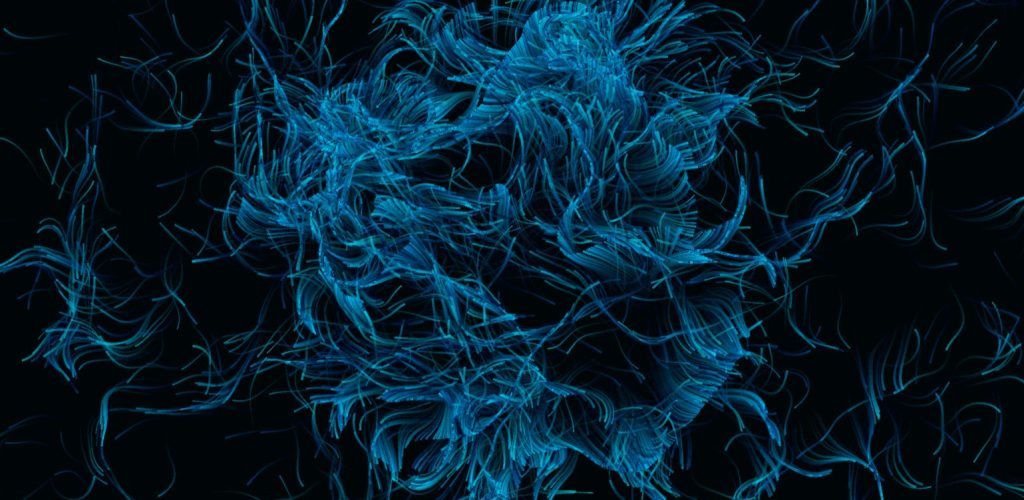
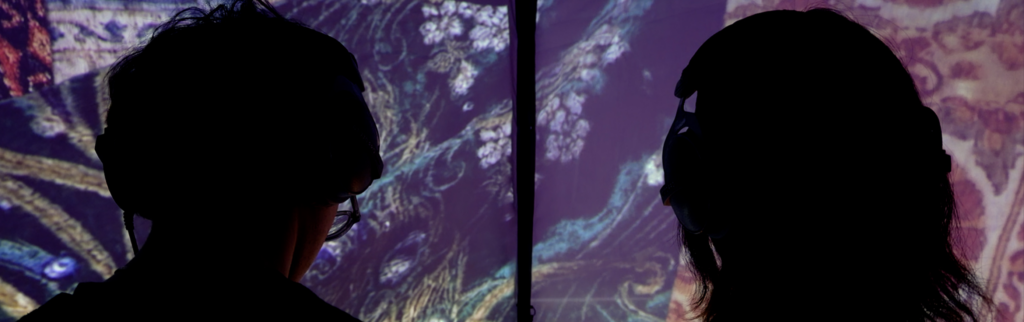
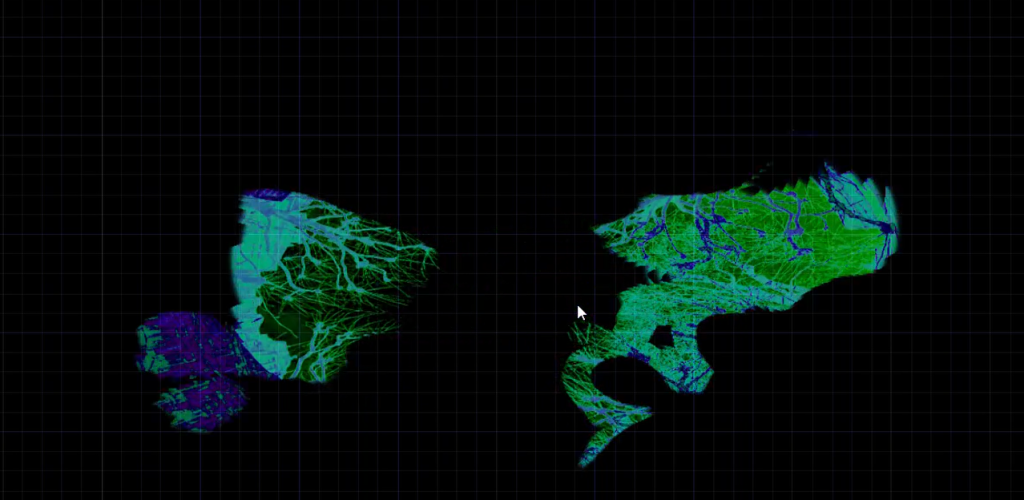
DJMe questions the idea of a single author. It suggests that no artist creates in isolation: every creative act is shaped by systems, environments, tools, and other people. Through three layers of interaction, the audience becomes a performer through the generative system and viewer interference. The final work belongs to the unstable relationship between all participants.
Authority does not announce itself. It speaks through settings, language and aesthetics – the quiet grammar that makes partial perspectives feel like facts. This installation splits into two: an institutional interior that stages a one-directional, mediated encounter and a communal exterior that offers warmth, multiplicity and untranslated presence. Between them, phrases from author Binyavanga Wainaina make imperial myth tangible on a graffiti wall. Visitors move through both spaces without instruction. The work does not provide answers; it invites you to experience the distance between these spaces
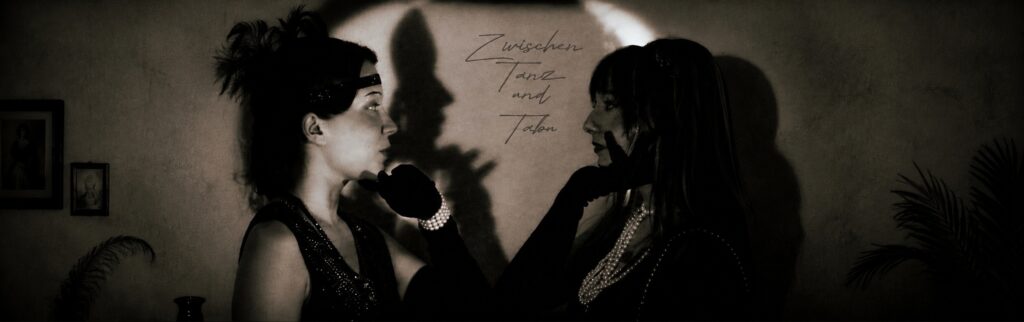
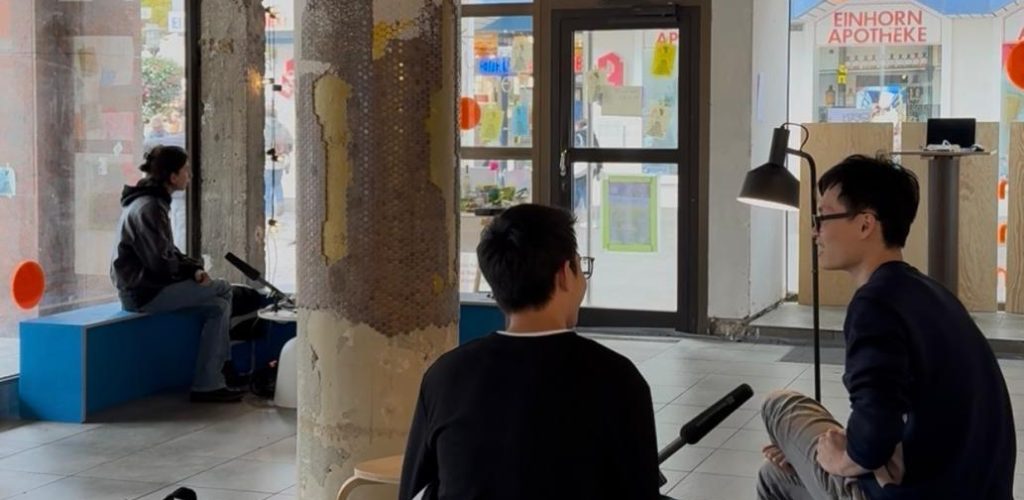
How does the sound of a city’s forgotten cultural past make its way back into present-day society? The radio feature “Between Dance and Taboo” overlays everyday queer life in 1920s Frankfurt onto the contemporary urban landscape, creating an acoustic environment where archival fragments, reconstructed memory, and present-day city sounds intersect. Through listening, participants explore how queer spaces of belonging, visibility and resistance are not merely remembered, but continuously reactivated through collective attention.
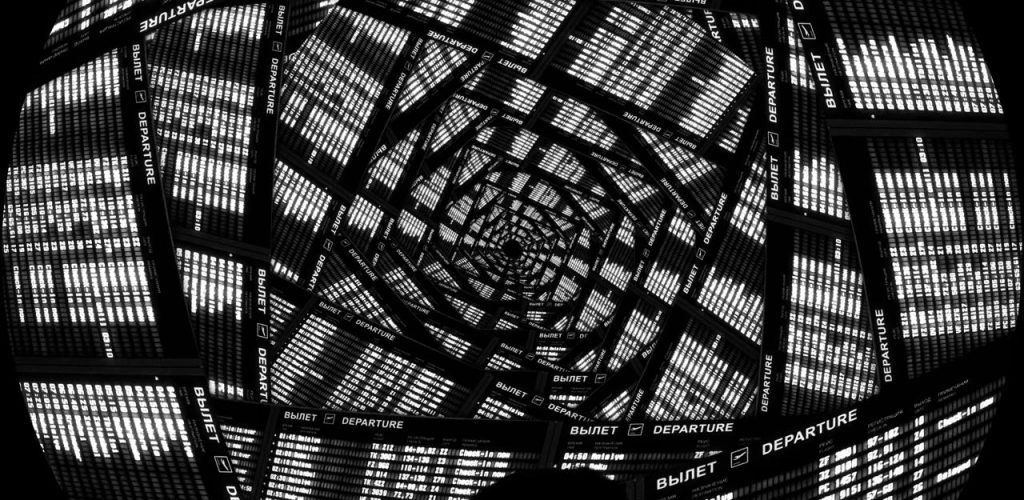
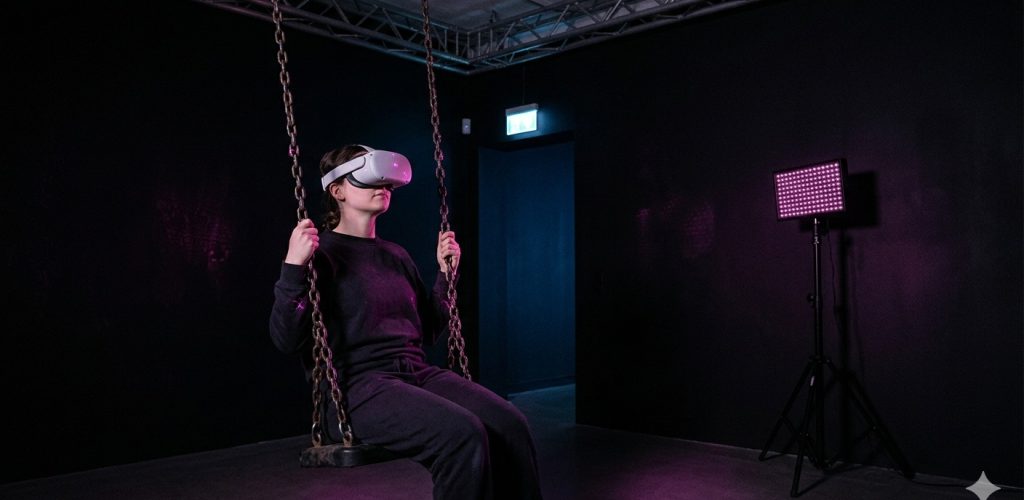
Zero Time Moment is a short film born out of emigration – the disorientation of physical displacement, languages that don’t reach each other, a body that can’t rest. It engages with the paradoxes of connection: how presence fractures across borders, how language fails to bridge distance, how community becomes unreachable. The film places the viewer inside the architecture of anxiety – circular, inhabited, and ultimately surrendered to.
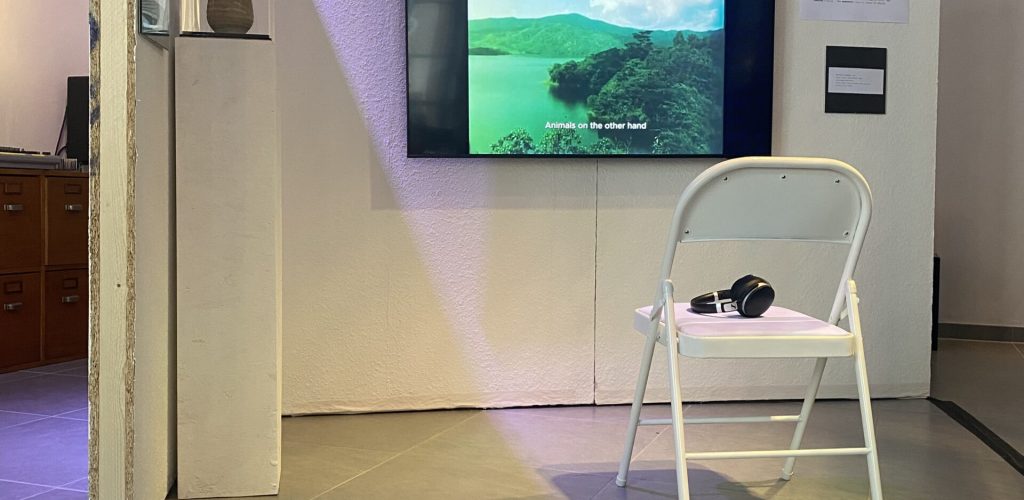
“Etheric Utopia” is a video installation that explores the fragile and shifting nature of human identity within contemporary digital culture, using moving images, sound and spatial experience. It examines the tension between visibility and disappearance in online environments. By reflecting on how individuals navigate between physical reality and digital representation, it questions what remains authentic when human connection is filtered through screens, data, and curated personas.
Words shape how we understand the world, yet they rarely arrive unchanged. In communication, meaning is continuously transformed by context, subject, and audience, slipping beyond its original intention. Through a web-based participatory installation, single words enter a digital space where language shifts across perspectives and collides with others. Participants can see how human expression is reframed as part of an unstable network, where meaning only emerges through relation.

The installation “Shared Ground” explores grief through stories from real people who have lost someone they love. It enables visitors to experience, discuss and share stories and emotions. By engaging in the common ritual of planting, the work brings the often-taboo topic of death into the conversation, helping people to express their feelings and reminding them that they are not alone.
“Visible (Within)” transforms the dome into an immersive environment shaped by interaction, perception and attention. Through motion tracking and distorted visual fragments, the work explores how meaning emerges selectively within contemporary media environments. Visitors actively influence what becomes visible and what remains hidden, reflecting the tension between connection and isolation in a world saturated with information. The installation questions how collective perception and shared spaces are shaped through focus, interaction and mediated experience.
What does it mean to leave a trace? “Pezhvāk”, Persian for “echo,” begins with this question. Rooted in Persian philosophy, this installation treats presence as something relational: your movement shapes the space, and the space responds. Audiovisual echoes make visible what normally passes unnoticed: the invisible threads between the self, the environment, and others. Connection here is not given; it is felt, and then gradually shared.
The audiovisual installation “Open Room” combines voices, memories and human interaction to explore how connection, presence and shared experiences shape our emotional perception of urban spaces. Using lighting and curtains, the installation recreates an intimate living room setting where participants can come together to create the collaborative artwork.
“Split Mind” is an immersive audiovisual performance combining interactive 3D audio, spatial visuals and live mediation. Performed within the Fulldome environment, the work explores fragmented perception, emotional duality and shifting states of consciousness. Within the framework of “(No)Connection”, the piece reflects on the tension between intimacy and disorientation in contemporary media environments, inviting visitors into a shared sensory experience.